Blog
Moving to Tampa Bay: What to Consider Before Relocating
Thinking about moving to Tampa Bay? Discover practical tips on housing, commute times, neighborhoods, schools, insurance and planning your relocation.
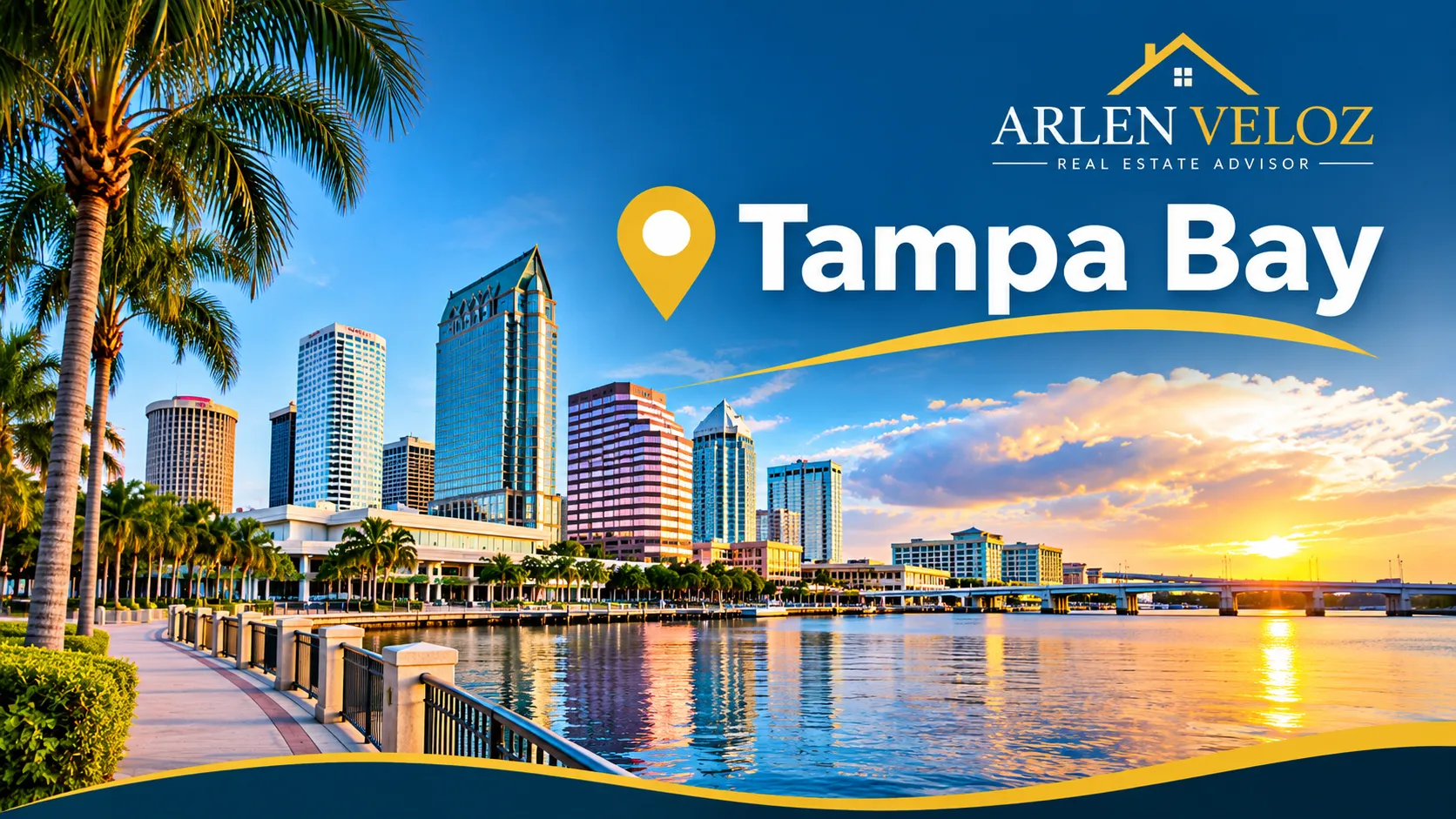
· admin
Moving to Tampa Bay offers an opportunity to explore a different lifestyle, new communities, and a wide range of housing options. But choosing where to live involves more than finding a home you like. Before relocating, it helps to understand everyday expenses, travel times, housing characteristics, insurance needs, and the differences between communities. Whether you're moving from another Florida city or arriving from another state, here are eight important things to consider before making Tampa Bay your new home.
1. Understand What Tampa Bay Includes
Tampa Bay is a region, not a single city. People often use the name to describe communities across Hillsborough, Pinellas, and Pasco counties, including Tampa, St. Petersburg, Clearwater, and surrounding areas. Each community offers different housing options, transportation patterns, amenities, and daily routines. For example, someone who wants convenient access to downtown Tampa may prioritize different locations than someone looking for a home closer to the Gulf Coast or a quieter suburban setting. Before exploring properties, identify what matters most to you:
- Your workplace or regular destinations
- Preferred home type and budget
- Access to shopping, recreation, and services
- Travel times during busy hours
- Community rules and recurring fees
- Your long-term housing plans
Helpful tip: Begin with your everyday priorities instead of choosing a neighborhood based only on photographs or online descriptions.
2. Compare Your Total Cost of Living
Housing costs are a major part of a relocation budget, but they aren't the only expense. When comparing homes, consider the full cost of living in each location. Potential expenses include:
- Rent or mortgage payments
- Property taxes
- Homeowners, renters, and flood insurance
- HOA or condominium fees
- Utilities and internet service
- Transportation and vehicle expenses
- Home maintenance
- Moving and setup costs
Two homes with similar prices can have very different monthly costs. For example, insurance expenses, property taxes, association fees, or commuting requirements may affect affordability. If you're purchasing a home, remember that the current owner's property tax bill may not reflect what you'll pay after buying. Helpful tip: Build a realistic monthly budget before deciding how much to spend on housing.
3. Explore Communities Based on Your Needs
Tampa Bay includes established neighborhoods, newer residential developments, condominium communities, and suburban areas. Instead of asking which location is universally "best," compare places according to your own priorities. Some people prefer being near employment centers and entertainment. Others prioritize larger properties, convenient highways, specific amenities, or access to coastal recreation. When evaluating a community, research:
- Housing inventory and property styles
- Neighborhood amenities
- Local transportation options
- Homeowners association requirements
- Access to healthcare and other services
- Development and construction activity
- Property-specific insurance considerations
If possible, visit the communities you're considering before making a commitment. You may find that the experience of living in an area is different from the impression you get during a short daytime visit.
4. Test Your Commute Before Choosing a Home
Transportation can make a major difference in your daily routine. A home may appear close to your workplace on a map, but travel times can change considerably depending on traffic, the route, and the time of day. When comparing locations, check the routes you would actually use. Consider:
- Your commute during typical work hours
- School or childcare transportation, if relevant
- Access to major roads and bridges
- Public transportation availability
- Parking needs
- Travel time to frequently visited destinations
If you work remotely, think about internet availability, a practical home office setup, and how often you'll need to travel for meetings. Helpful tip: Test likely travel routes during the times you expect to use them, not only during weekends or off-peak hours.
5. Research Schools and Community Services
If schools are part of your relocation decision, research the options available for the specific address you're considering. School assignments, enrollment requirements, programs, and transportation services can vary. Do not assume that a school shown near a property is necessarily the school assigned to that address. Start with official district information and verify details directly with the relevant school district. Florida's Department of Education provides tools to explore public school information: Florida Department of Education — Know Your Schools School performance data can be useful, but it should be considered alongside programs, enrollment information, individual needs, and other relevant factors. You may also want to research healthcare providers, libraries, parks, childcare availability, and services you expect to use regularly.
6. Understand Weather, Flood Risk, and Insurance
Tampa Bay's warm climate and access to outdoor activities appeal to many people. However, Florida weather also requires preparation. The Atlantic hurricane season runs from June 1 through November 30. When evaluating a property, ask about its roof, storm protection features, drainage, available inspection records, and insurance options. It is also important to understand flood risk. A property can experience flooding even when it is outside a federally designated high-risk flood zone. Before buying or renting, consider:
- Reviewing available flood maps
- Asking about known previous flooding or water damage
- Understanding homeowners or renters insurance coverage
- Obtaining flood insurance information
- Checking evacuation zones through local emergency management resources
- Preparing a household emergency plan
FEMA provides an official flood-map search service: FEMA Flood Map Service Center Flood zones and hurricane evacuation zones are not the same thing. Evaluate both when relevant to the property. Helpful tip: Consider insurance and weather-related expenses early in your housing search, rather than after choosing a property.
7. Decide Whether to Rent or Buy First
If you're unfamiliar with Tampa Bay, renting temporarily may provide an opportunity to learn about different communities before making a long-term purchase. On the other hand, buying may be appropriate when you understand your financial position, housing needs, and intended length of stay. There is no single answer that works for everyone. Before deciding, consider:
- How long you expect to remain in the area
- Your available savings
- Monthly housing expenses
- Moving flexibility
- Maintenance responsibilities
- Your familiarity with the local market
- Potential costs of buying and later selling
If you're considering purchasing, speak with a qualified lender about financing and compare your likely ownership costs. If you're renting, review lease terms, deposits, renewal provisions, and responsibilities before signing.
8. Create a Relocation Plan Before Moving
An organized relocation plan can help you avoid rushed decisions and unnecessary expenses. Start with a realistic timeline and work backward from your preferred move-in date. Your checklist might include:
- Determine your housing budget.
- Compare communities and property types.
- Research schools and services, when applicable.
- Evaluate commute routes.
- Review insurance and weather-related risks.
- Arrange property visits or a suitable remote viewing process.
- Review housing contracts and financial obligations.
- Coordinate utilities, moving services, and address changes.
If you're relocating from another state, remember to research Florida requirements for vehicle registration, driver's licenses, and other administrative updates. Always verify current deadlines and requirements with the responsible government agencies.
Frequently Asked Questions
Is Tampa Bay a good place to relocate?
That depends on your budget, lifestyle, employment, housing needs, and personal preferences. The region offers a variety of communities, but visiting and researching individual areas is important.
Is Tampa Bay the same as the City of Tampa?
No. Tampa is one city within the broader Tampa Bay region, which includes other communities across several counties.
Should I rent before buying in Tampa Bay?
Renting first can provide flexibility while you learn about an unfamiliar area. Buying may be appropriate when you're ready for the financial and long-term responsibilities of ownership.
Does every Tampa Bay property need flood insurance?
Not every property has the same insurance requirements. Lenders may require flood insurance for certain financed properties, but flood risk should be considered even when insurance isn't mandatory.
How can I compare schools before moving?
Use official Florida Department of Education and school district resources. Confirm school assignments and enrollment details directly, using the specific property address.
How early should I begin planning my relocation?
The right timeline depends on housing availability, financing or leasing requirements, employment arrangements, and moving logistics. Beginning early gives you more time to compare options and verify important details.
Make Your Next Move With a Clear Plan
Relocating to Tampa Bay is an opportunity to find a home and community that fit the way you want to live. The most useful first step is to define your priorities, compare realistic housing costs, and learn what makes each area different. Whether you're exploring your options or preparing to move, understanding the local housing process can help you make more informed decisions. Thinking about relocating to Tampa Bay or another Florida community? Explore Arlen Veloz's Relocate to Florida service or visit the Contact page to share what you're looking for and discuss your next steps. This article provides general educational information and does not constitute legal, financial, insurance, or relocation advice. Requirements, costs, community conditions, and program details may change.